Ukraine’s Constitutional Transformation on the Path to the EU
29 September 2026, 11:00
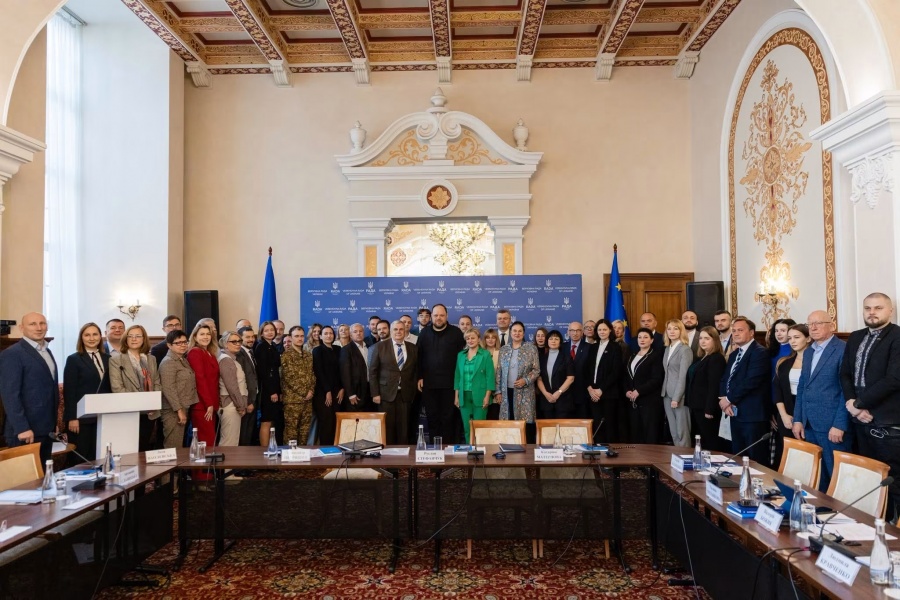
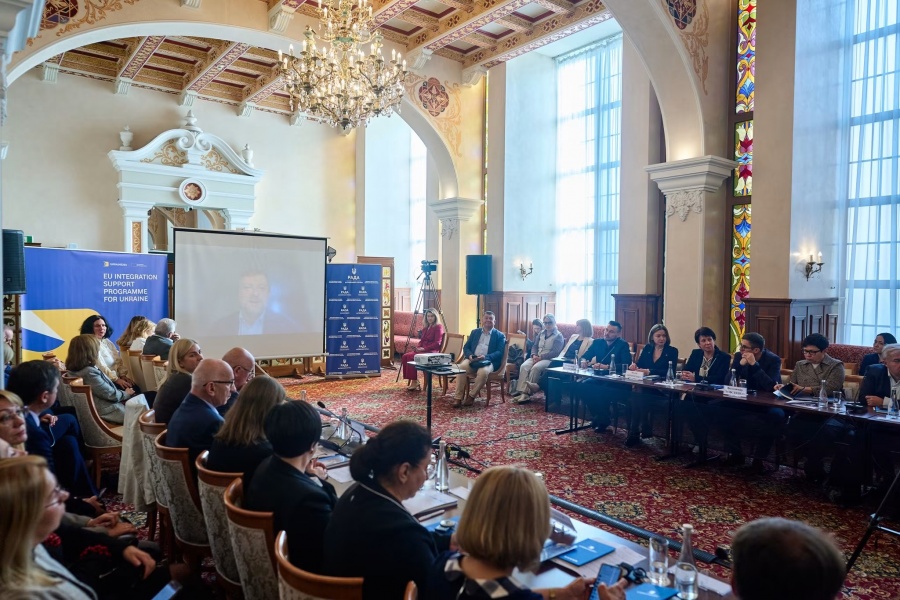
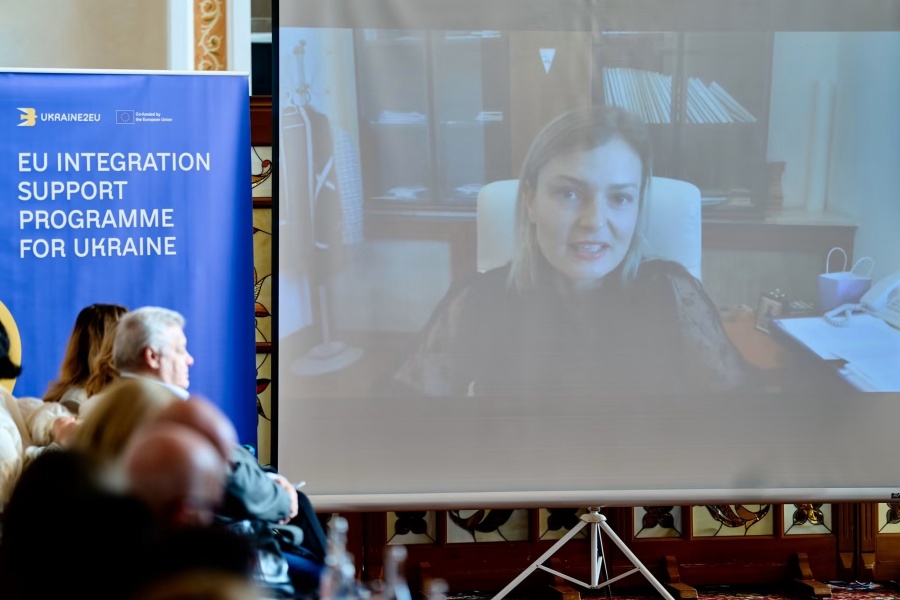
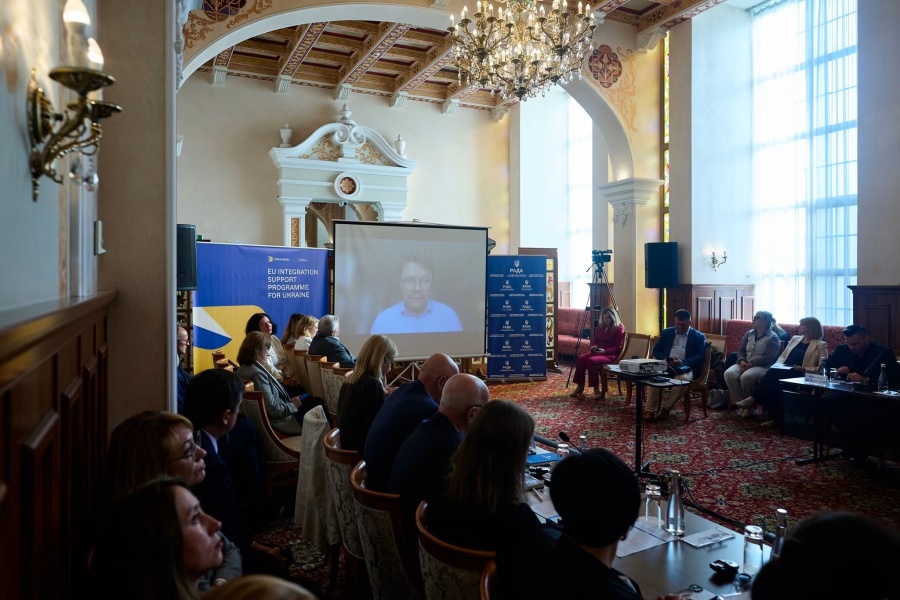
On 28 September 2026, an expert discussion entitled “Constitutional Transformation: Ukraine’s Progress towards European Integration and Post-War Reconstruction” was held by the Research Service of the Verkhovna Rada of Ukraine to mark the fourth anniversary of its establishment, with the support of Ukraine2EU – the EU Integration Support Programme for Ukraine and the Hanns Seidel Foundation in Ukraine. The event brought together the leadership of the Verkhovna Rada of Ukraine, Members of the Ukrainian Parliament, judges of the Constitutional Court of Ukraine, staff of the Secretariat of the Verkhovna Rada of Ukraine, representatives of state authorities, European institutions, parliaments and parliamentary services of European countries, academics and experts.
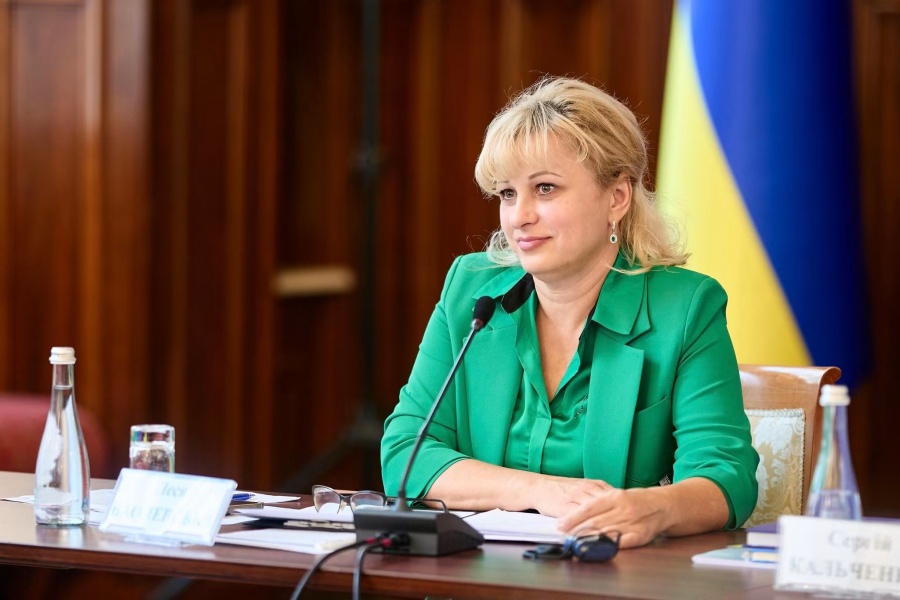
The discussion focused on identifying priorities for Ukraine’s constitutional transformation in the context of EU accession and post-war reconstruction, examining the experience of EU Member States in constitutional adaptation, and exploring the parliamentary research role in preparing well-substantiated legislative decisions. In her opening remarks, the Head of the Research Service Lesia Vaolevska stressed the need to establish a professional analytical foundation for future legal reforms.
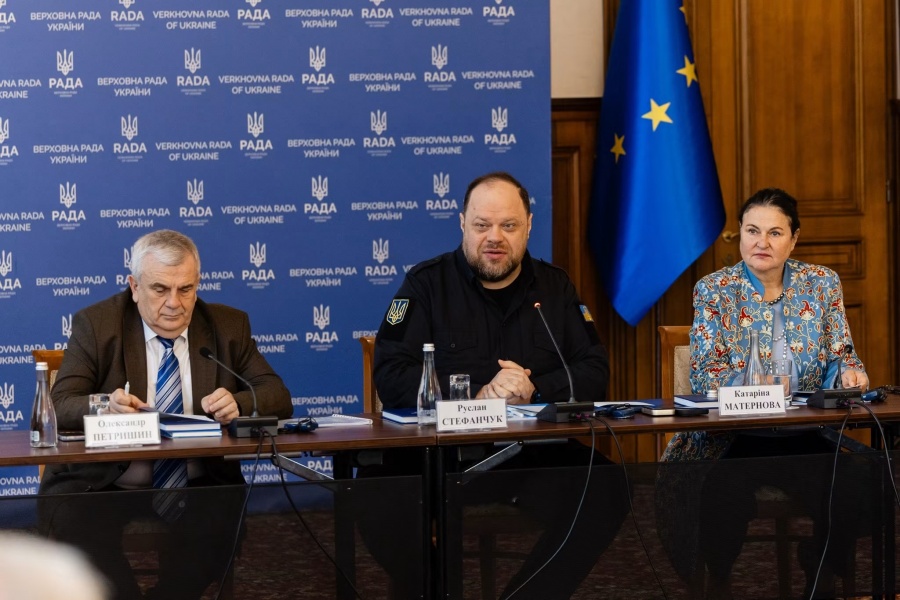
During the official event opening, welcoming remarks were delivered by Ruslan Stefanchuk, Chairman of the Verkhovna Rada of Ukraine; Oleksandr Korniienko, First Deputy Chairman of the Verkhovna Rada of Ukraine; Katarina Mathernova, Ambassador of the European Union to Ukraine; and Oleksandr Petrishyn, Acting Chairman of the Constitutional Court of Ukraine. A common theme in the welcoming addresses was that Ukraine’s European integration requires not only the alignment of national legislation with the EU acquis, but also the timely consideration of potential constitutional amendments, improvement of parliamentary oversight mechanisms, safeguarding of the rule of law, and strengthening of the state institutions capacity to effectively implement and apply European standards.
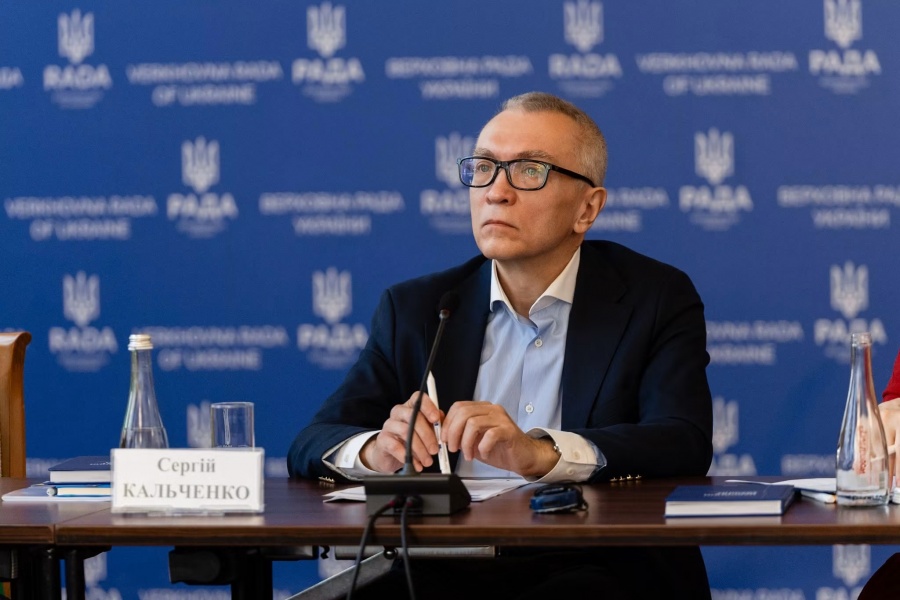
In his welcoming remarks, Serhii Kalchenko, Chairman of the Committee of the Verkhovna Rada of Ukraine on Rules of Procedure, Parliamentary Ethics and Organisation of the Work of the Verkhovna Rada of Ukraine, proposed viewing future changes as a “constitutional rethinking” directly linked to Ukraine’s accession to the European Union.
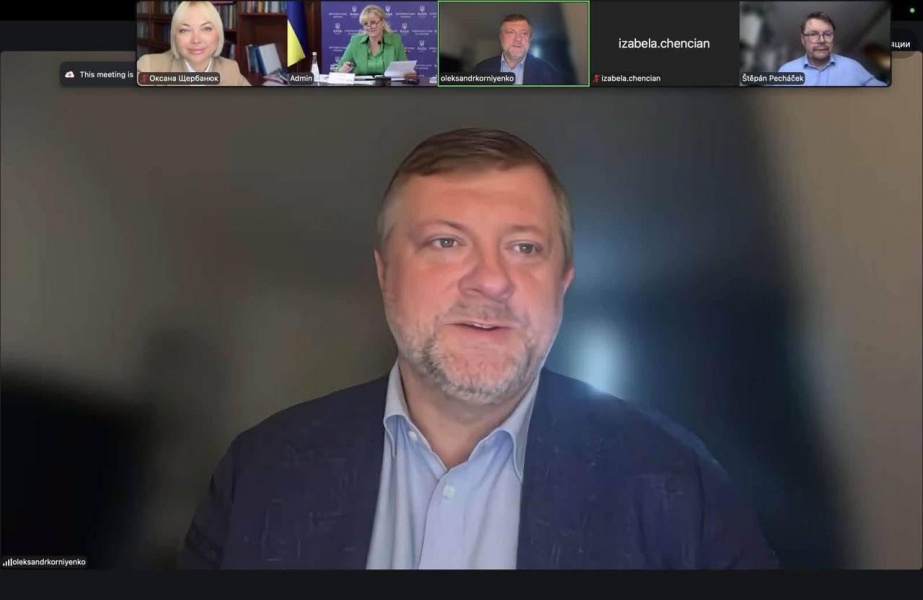
Isabela Cincian, Deputy Secretary General of the Senate of Romania, delivered welcoming remarks, presenting Romania’s experience of constitutional adaptation in preparation for EU membership.
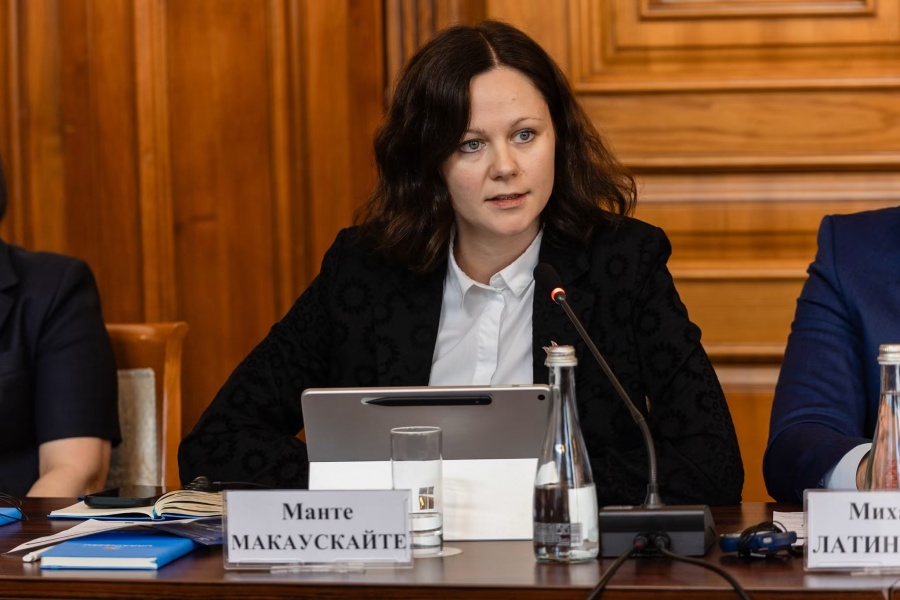
Mante Makauskaite, Head of Ukraine2EU – the EU Integration Support Programme for Ukraine, congratulated the Research Service on its fourth anniversary and emphasised the importance of evidence- and knowledge-based parliamentary research for the European integration process.
A separate presentation on the activities of the Research Service in the context of Ukraine’s constitutional transformation was delivered by the Head of the Service Lesia Vaolevska. She outlined the key areas of the Service’s analytical work, including the constitutional architecture of state power, the security and defence sector, human rights in times of crisis, the judiciary, law-enforcement bodies, as well as European and Euro-Atlantic integration. The event also featured the Guide to Legislation on the Consideration by the Verkhovna Rada of Ukraine of Draft Laws on Amendments to the Constitution of Ukraine and the practical handbook “Member of Parliament of Ukraine”, both prepared by the Research Service.
The first panel discussion was devoted to the topic “Ukraine’s Constitutional Transformation in the Context of European Integration.”
In his panel presentation, Serhii Kalchenko, Chairman of the Committee of the Verkhovna Rada of Ukraine on Rules of Procedure, Parliamentary Ethics and Organisation of the Work of the Verkhovna Rada of Ukraine, focused on key issues related to Ukraine’s future constitutional adaptation in the context of EU membership.
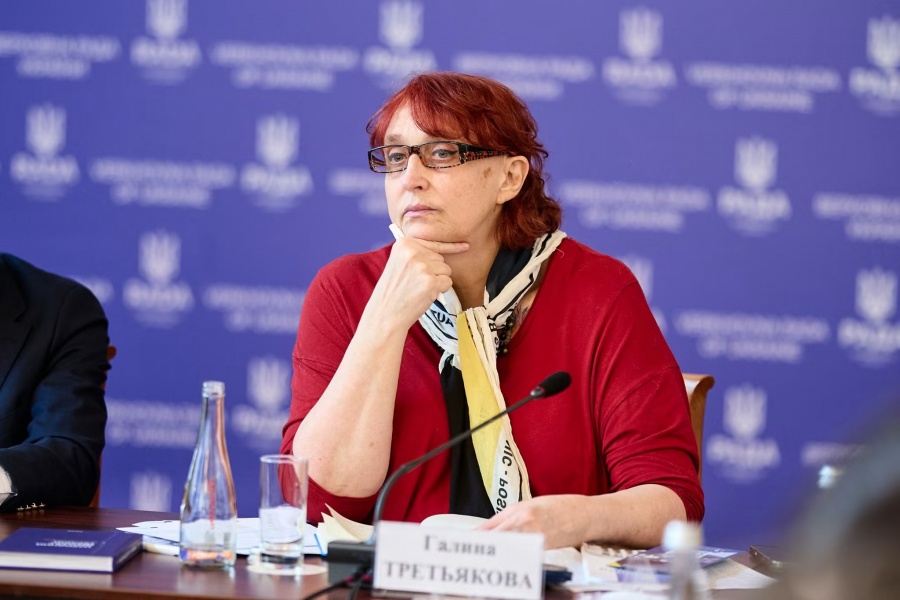
Halyna Tretiakova, Chairwoman of the Committee of the Verkhovna Rada of Ukraine on Social Policy and Protection of Veterans’ Rights, called for future constitutional amendments not to be viewed exclusively through the prism of European integration needs, but also in light of the domestic needs of Ukrainian society.
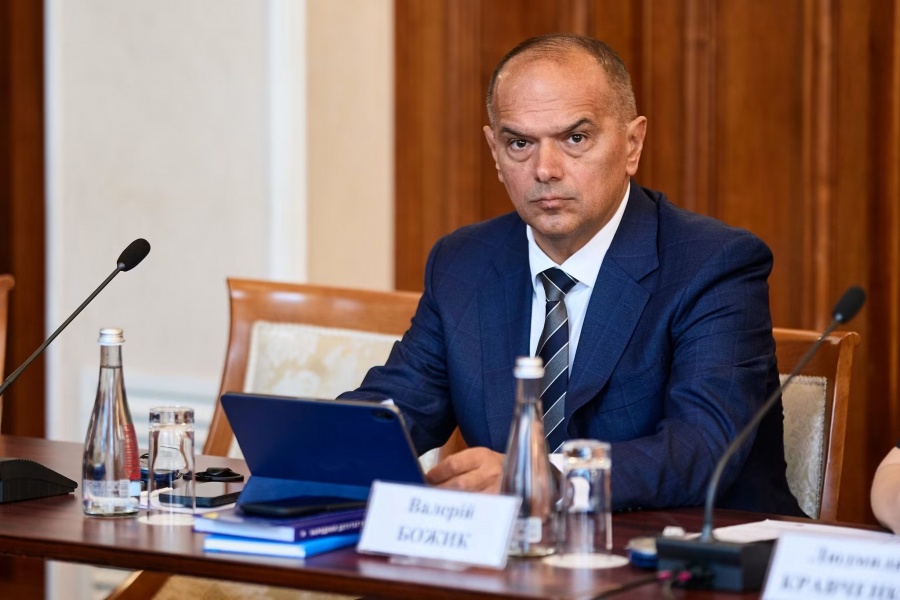
Valerii Bozhyk, Deputy Chairman of the Committee of the Verkhovna Rada of Ukraine on Legal Policy, underscored the practical application of the Research Service’s work in the activities of parliamentary committees.
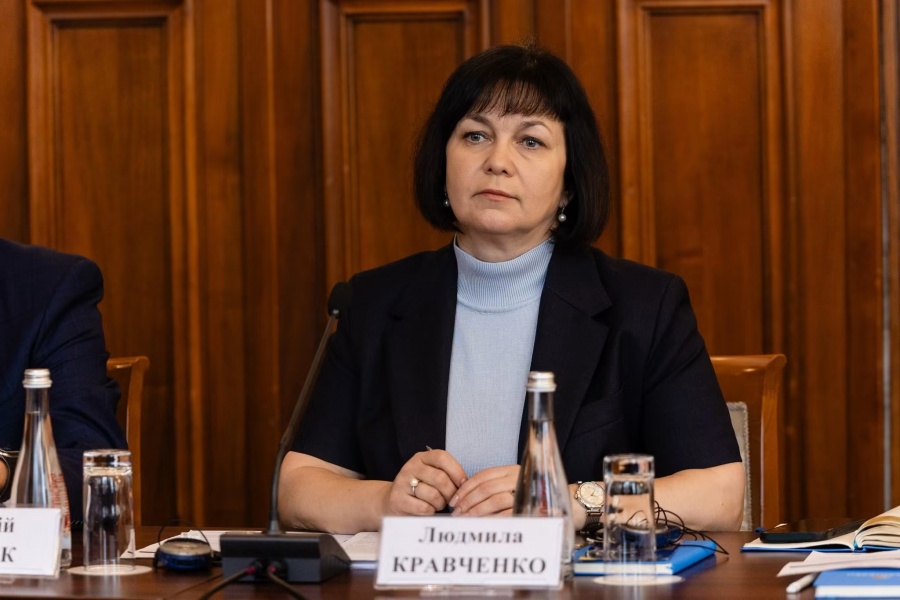
Liudmyla Kravchenko, Deputy Minister of Justice of Ukraine, stressed the importance of a systematic link between parliamentary expertise and the executive branch practice, the post-legislative scrutiny development, and the timely legislation preparation for the transition from the legal regime of martial law to the post-war period.
The second panel discussion, “Experience of EU Member States in Constitutional Adaptation in the Context of European Integration,” focused on the practical experience of European countries and the role of parliaments, constitutional institutions and expert communities in adapting national legal systems in connection with European integration.
Dainius Žalimas, Member of the European Parliament and the Venice Commission, Professor and former President of the Constitutional Court of the Republic of Lithuania, presented Lithuania’s experience and stressed that preparations for the constitutional foundations of EU membership should begin well before the formal conclusion of accession negotiations, including through defining mechanisms for the joint exercise of certain competences and determining the place of EU law within the national legal order.
Anna Adamska-Gallant, Judge of the European Court of Human Rights, emphasised that compliance with the Copenhagen criteria is determined not only by the existence of democratic rules and institutions, but above all by the extent to which democracy, the rule of law, judicial independence and human rights are effectively guaranteed in practice.
Representatives of Czechia, Poland, Germany, Austria, Slovenia and Norway, as well as the European Parliament and the EU Advisory Mission in Ukraine, also shared their approaches and practical experience.