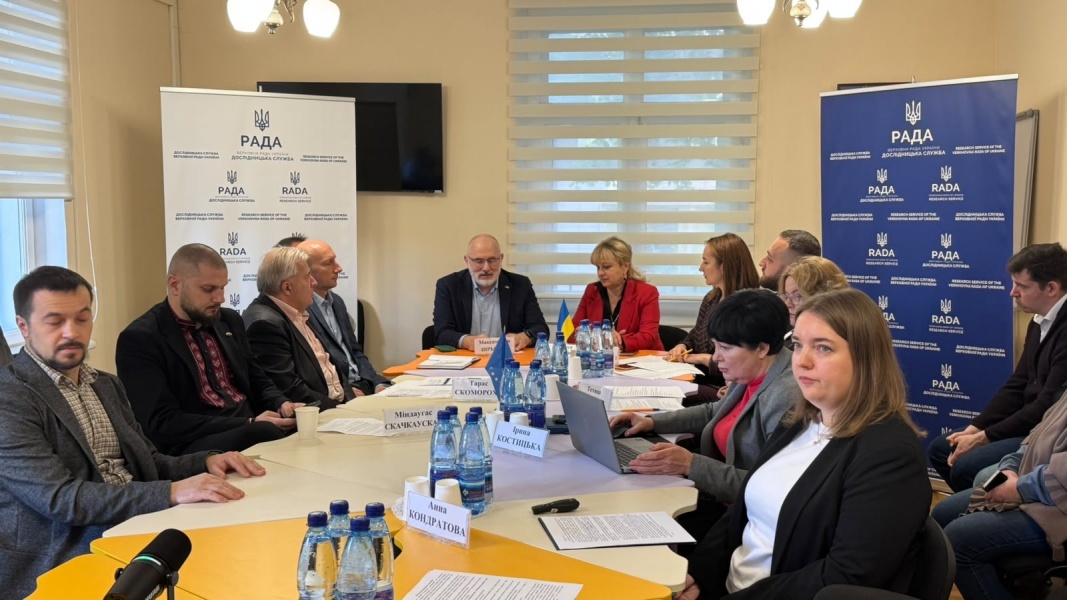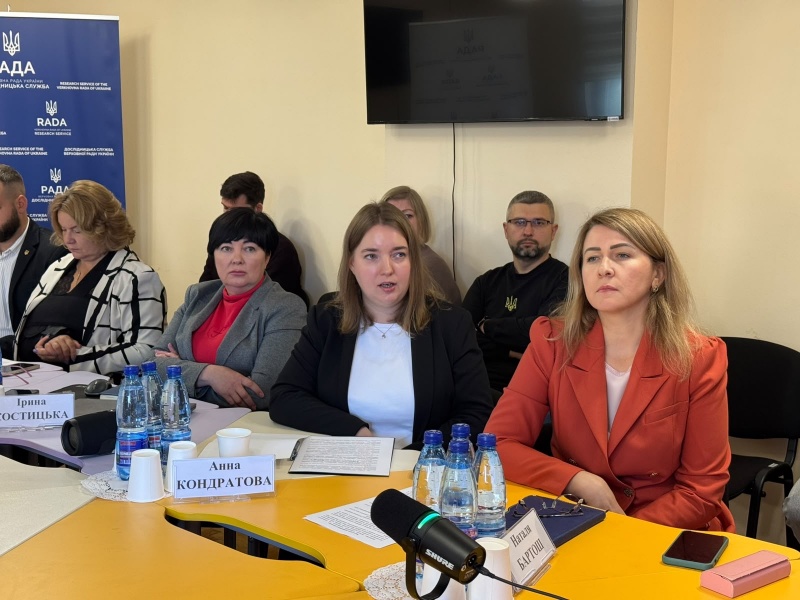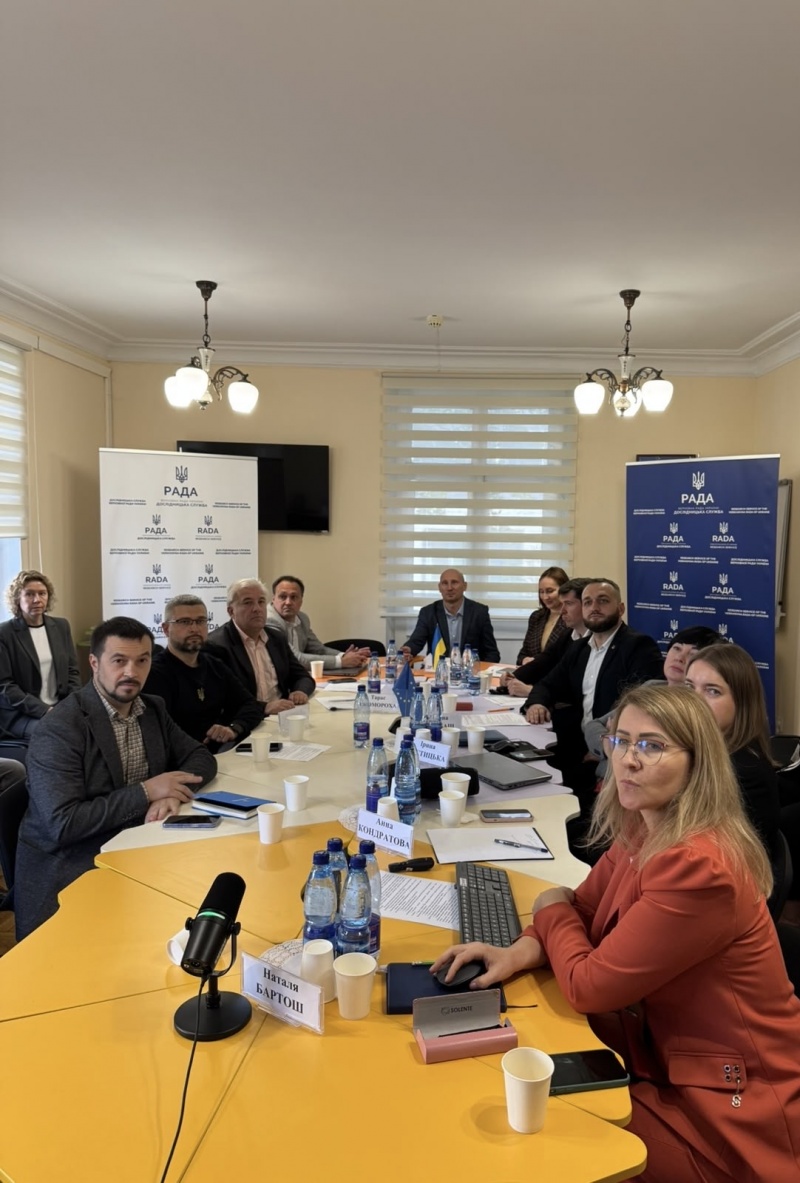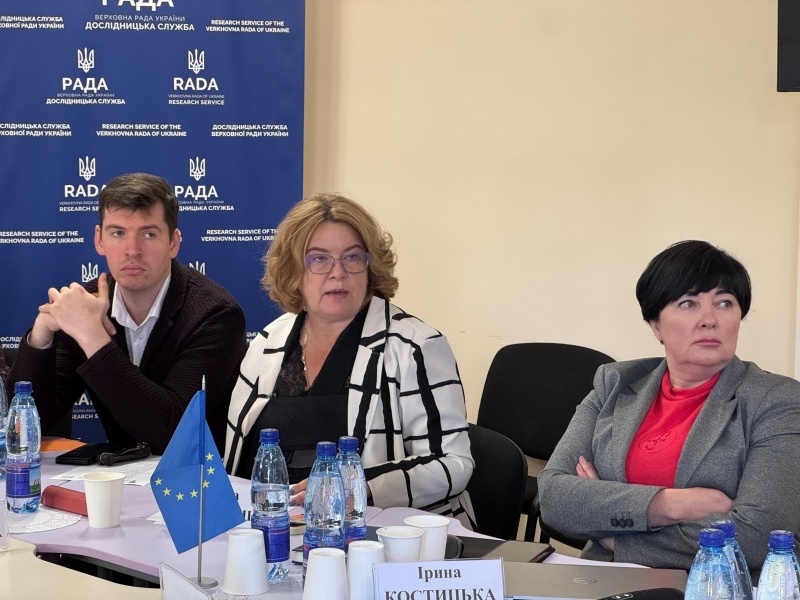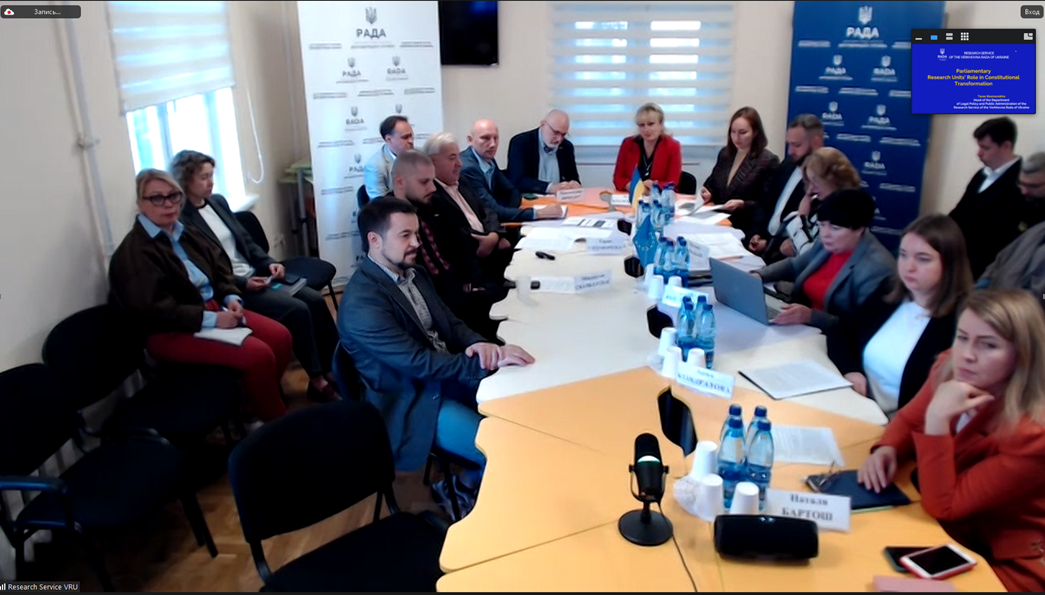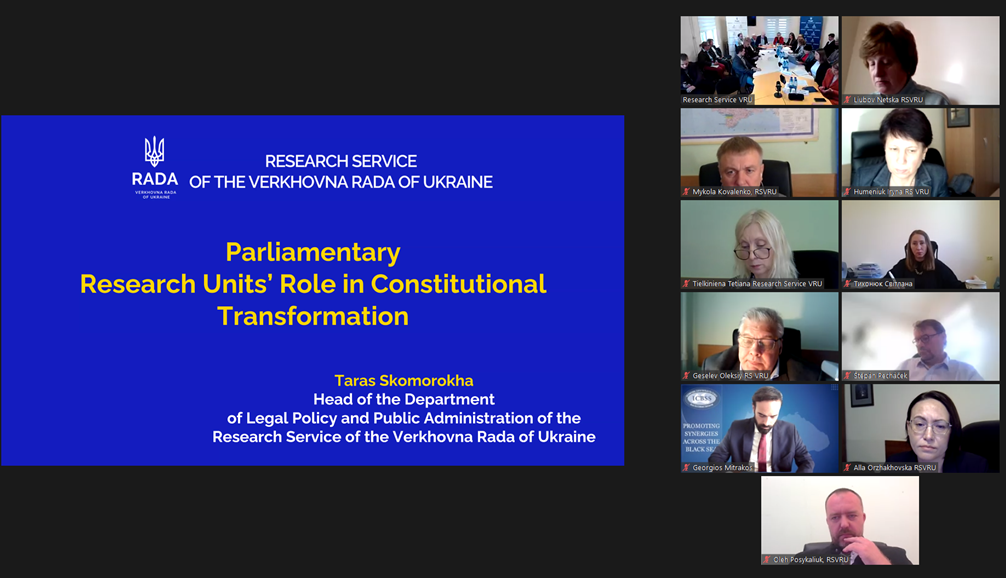
On 29 September 2026, the second day of the expert discussion “Constitutional Transformation: Ukraine’s Progress towards European Integration and Post-War Reconstruction” took place, marking the fourth anniversary of the establishment of the Research Service of the Verkhovna Rada of Ukraine.
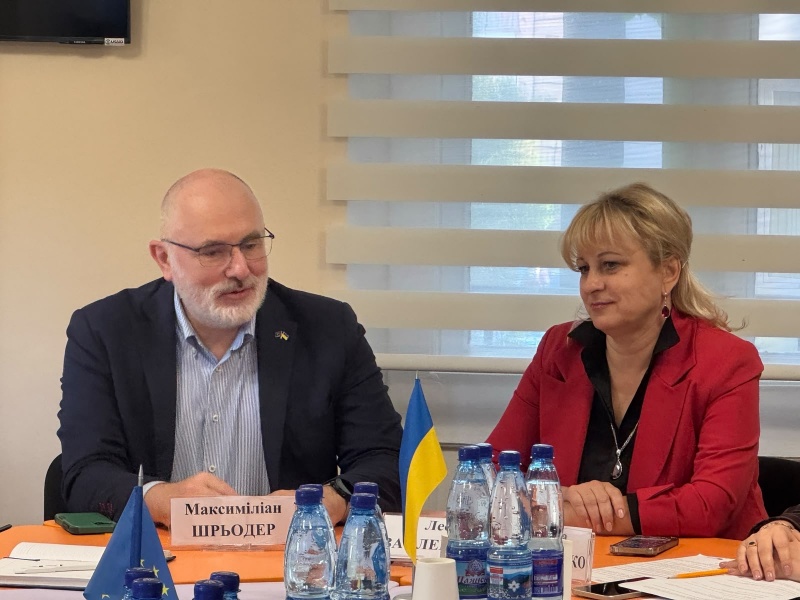
The second event day started with welcoming remarks by Lesia Vaolevska, Head of the Research Service of the Verkhovna Rada of Ukraine, and Maximilian Schröder, Head of the European Parliament Liaison Office in Ukraine.
In his address, Maximilian Schröder emphasised the importance of further deepening cooperation between the Verkhovna Rada of Ukraine and the European Parliament in the context of Ukraine’s European integration. Particular attention was drawn to the role of professional parliamentary research and experience exchange among research services in ensuring a high-quality legislative process, preparing well-substantiated decisions, and strengthening the parliament’s institutional capacity.
In turn, Lesia Vaolevska stressed that the parliamentary research units work is not limited to preparing responses to current requests. An important part of the mandate is to provide a sound analytical basis for parliamentary decision-making, draw on comparative research, assess potential consequences and risks, and in advance identify the issues that may be faced by parliament in the future. In this context, professional cooperation and experience exchange among European parliamentary research institutions are of particular importance.
The expert discussion brought together representatives of parliamentary secretariats and parliamentary research services from European countries, the European Parliament, the OSCE Office for Democratic Institutions and Human Rights (ODIHR), as well as experts from the Research Service of the Verkhovna Rada of Ukraine:
· Bernardo Polverari, Head of the Research Service of the Chamber of Deputies of the Italian Republic;
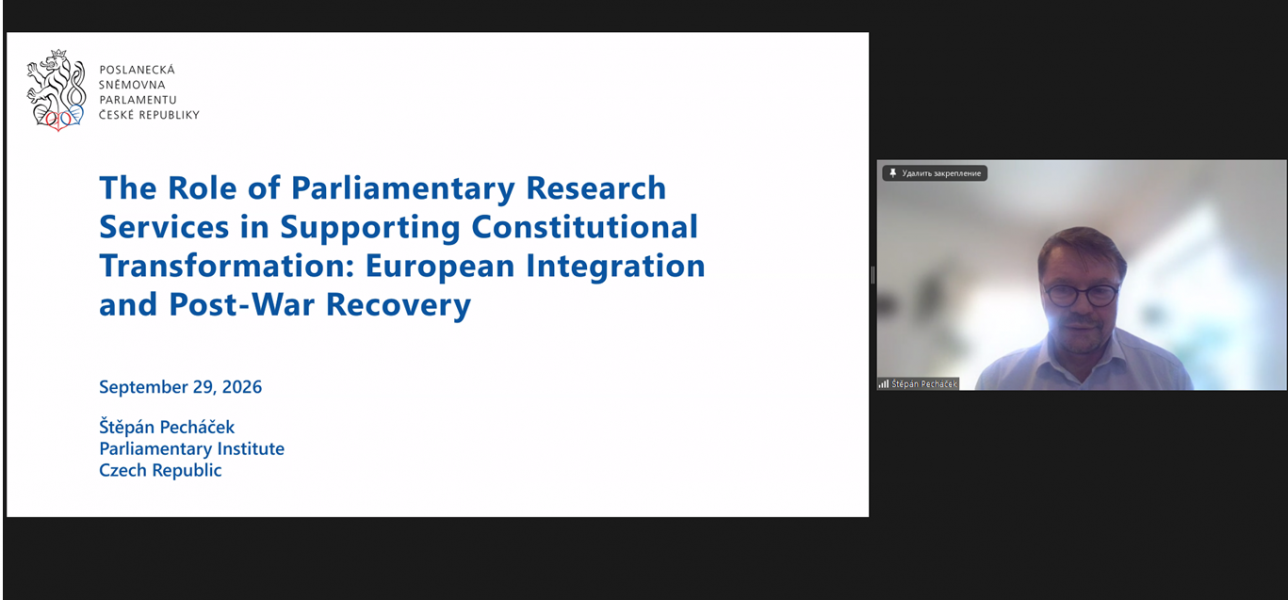
· Štěpán Pecháček, Director of the Parliamentary Institute of the Chamber of Deputies of the Parliament of the Czech Republic;
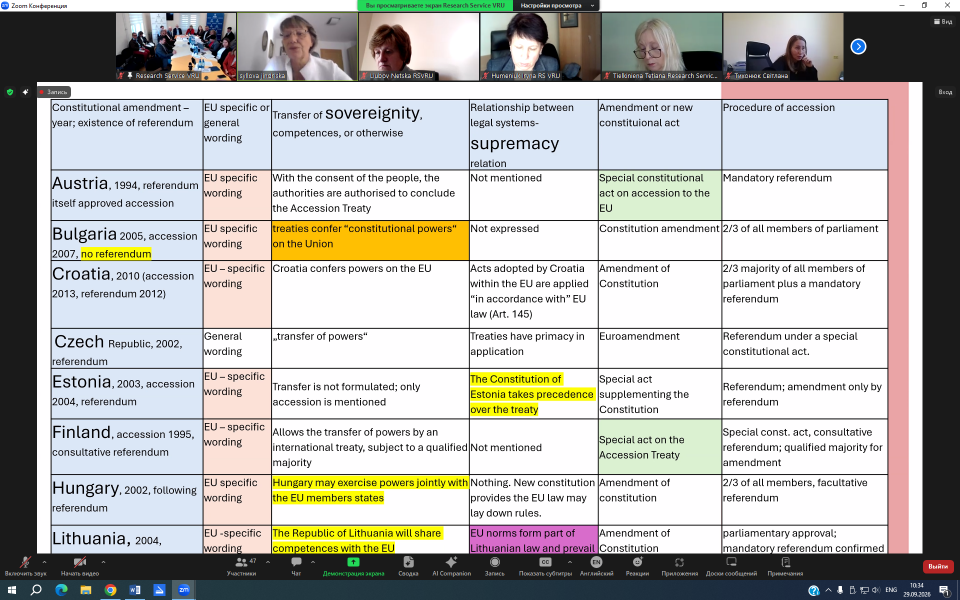
· Jindřiška Syllová, Expert at the Parliamentary Institute of the Chamber of Deputies of the Parliament of the Czech Republic, co-author of the provisions of the Constitution of the Czech Republic concerning legislative power and an expert on constitutional adaptation in the context of the Czech Republic’s accession to the EU;
· Alvydas Lukošaitis, Head of the Research Unit of the Seimas of the Republic of Lithuania;
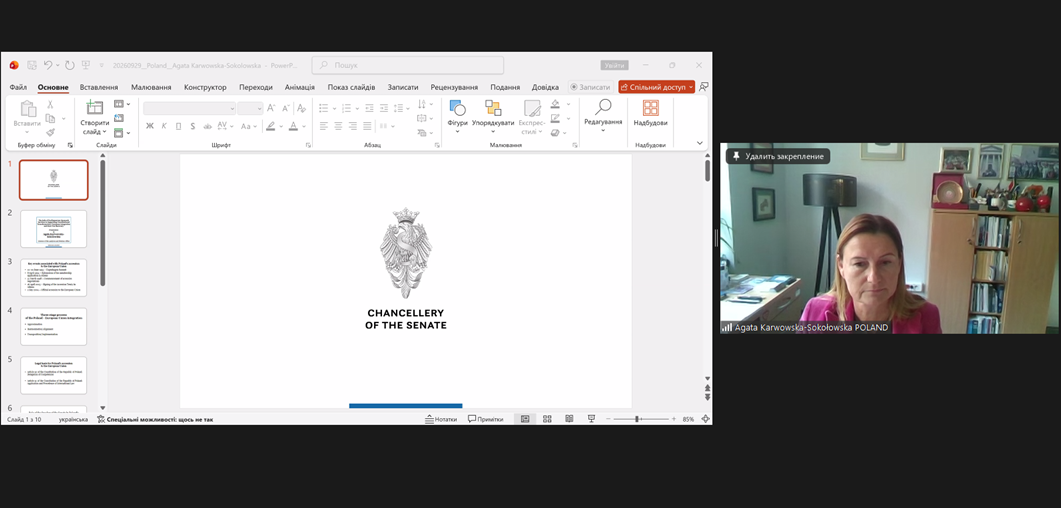
· Agata Karwowska-Sokołowska, Director of the Office for Analysis and Petitions of the Chancellery of the Senate of the Republic of Poland;
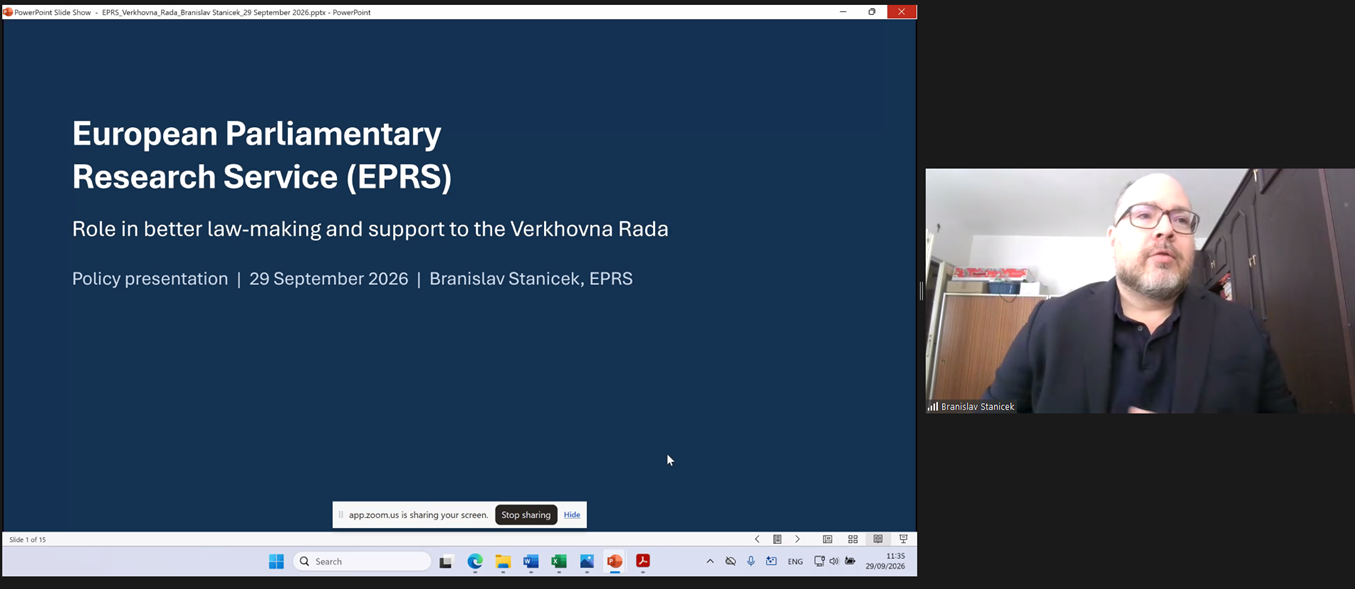
· Branislav Staníček, Policy Analyst in the Foreign Policy Unit of the European Parliamentary Research Service;
· Julia Gebhard, Deputy Head of the Democratization Department of the OSCE Office for Democratic Institutions and Human Rights;
· Dorin Dabija, Senior Adviser at the Parliamentary Research Directorate of the Secretariat of the Parliament of the Republic of Moldova;
· Taras Skomorokha, Head of the Legal Policy and Public Governance Division of the Research Service of the Verkhovna Rada of Ukraine;
· Anna Kondratova, Head of the Economic Development and Financial Policy Division of the Research Service of the Verkhovna Rada of Ukraine;
· Tetiana Barabash, Head of the National Security and Law Enforcement Division of the Research Service of the Verkhovna Rada of Ukraine.
The discussion focused on the parliamentary research services’ capacity to provide the legislative process with high-quality, impartial and timely analysis; the use of comparative legal research and European experience; and the preparation of parliaments for institutional and legislative changes related to European integration.
A separate part of the discussion addressed assessing the impact of legislative decisions, developing long-term and foresight approaches to parliamentary research, as well as the role of analytical units in identifying risks at an early stage and shaping strategic priorities for parliamentary work.
Considerable attention was also paid to cooperation among parliamentary research institutions. The exchange of practices between the parliaments of EU Member States, the European Parliament and Ukrainian experts creates additional opportunities to apply proven methodologies, develop professional expertise and establish a sustainable network of expert cooperation.
The event was held with the support of the Hanns Seidel Foundation in Ukraine.